Are Dutch-Style Mortgages a Flexible Home Financing Solution?
By Joseph Spiers
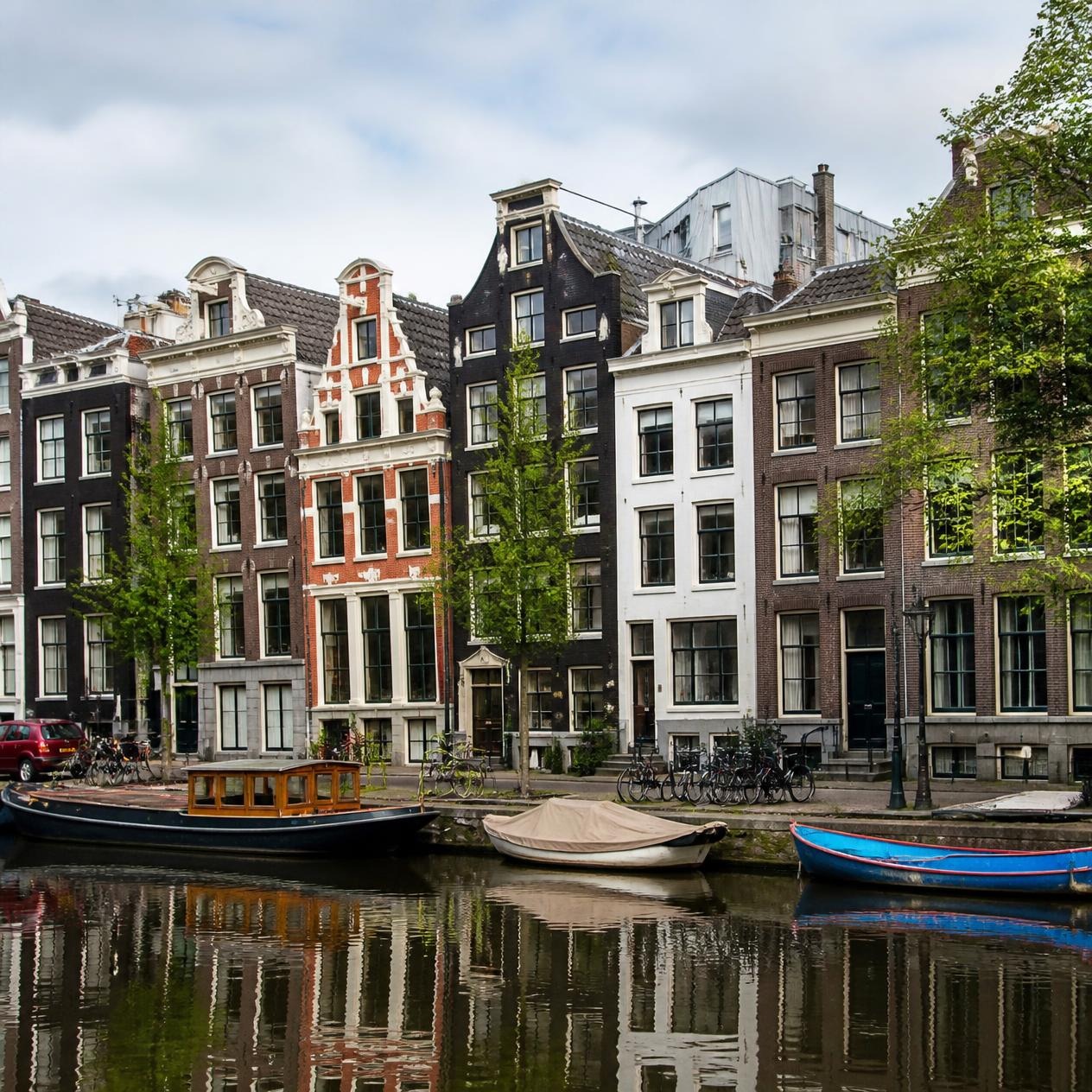
Discover what Dutch-style mortgages are, their benefits, risks, and if they're right for you.
When you're looking for a mortgage, a traditional repayment mortgage isn't the only option available. Depending on your circumstances and financial goals, you may come across alternative mortgage structures designed to provide greater flexibility over how you manage your monthly payments.
One option that can attract attention is a Dutch-style mortgage. With a focus on lower monthly payments and flexibility around how the mortgage principal is repaid, this type of mortgage can appeal to borrowers who want to manage their cash flow strategically.
But what exactly is a Dutch-style mortgage, how does it work, and could it be suitable for your financial circumstances?
What are Dutch-style mortgages?
Dutch-style mortgages offer an alternative to traditional repayment mortgages.
Rather than repaying both the interest and the mortgage principal with every monthly payment, borrowers pay interest only for a fixed period. Because you're not reducing the outstanding principal during this period, your monthly mortgage payments can be significantly lower than those of a traditional repayment mortgage.
This can make Dutch-style mortgages appealing to people looking for greater short-term affordability or additional cash flow that could potentially be used towards other financial priorities.
One of the main features of a Dutch-style mortgage is the flexibility around repaying the principal. Depending on the mortgage arrangement, borrowers may choose to deal with the outstanding balance through a lump-sum repayment at the end of the term, regular contributions to a savings vehicle, or refinancing when the interest-only period ends.
However, lower monthly payments don't mean the mortgage debt disappears. The principal still needs to be repaid, so having a clear strategy from the outset is important.
Benefits of Dutch-style mortgages
Lower Monthly Payments
One of the biggest attractions of a Dutch-style mortgage is the potential for lower monthly payments. Because you're paying interest rather than reducing the principal during the interest-only period, your monthly mortgage costs can be significantly lower than with a traditional repayment mortgage.
This could be particularly useful if you want to balance your mortgage with other financial priorities, such as investing in a business, building savings or planning for retirement.
Increased Cash Flow
Lower mortgage payments can leave you with more disposable income each month. Rather than using all of your available income to repay the mortgage, you could potentially redirect some of this cash flow towards investments or other financial goals.
For investors, this may create opportunities for long-term financial growth. However, investment returns aren't guaranteed, and investing involves risk, so the potential benefits need to be considered alongside the risks.
Financial Flexibility
Another potential benefit is the flexibility over how and when you repay the mortgage principal. Rather than automatically reducing the mortgage balance with every payment, a Dutch-style mortgage can allow you to take a more strategic approach to managing your finances.
For someone with a clear financial plan, this flexibility could make it easier to coordinate their mortgage with savings, investments, business plans or retirement objectives.
What are the risks of Dutch-style mortgages
While Dutch-style mortgages can offer flexibility…