What Changes Were Announced in the Autumn Budget 2026?
By Georgia Holmes
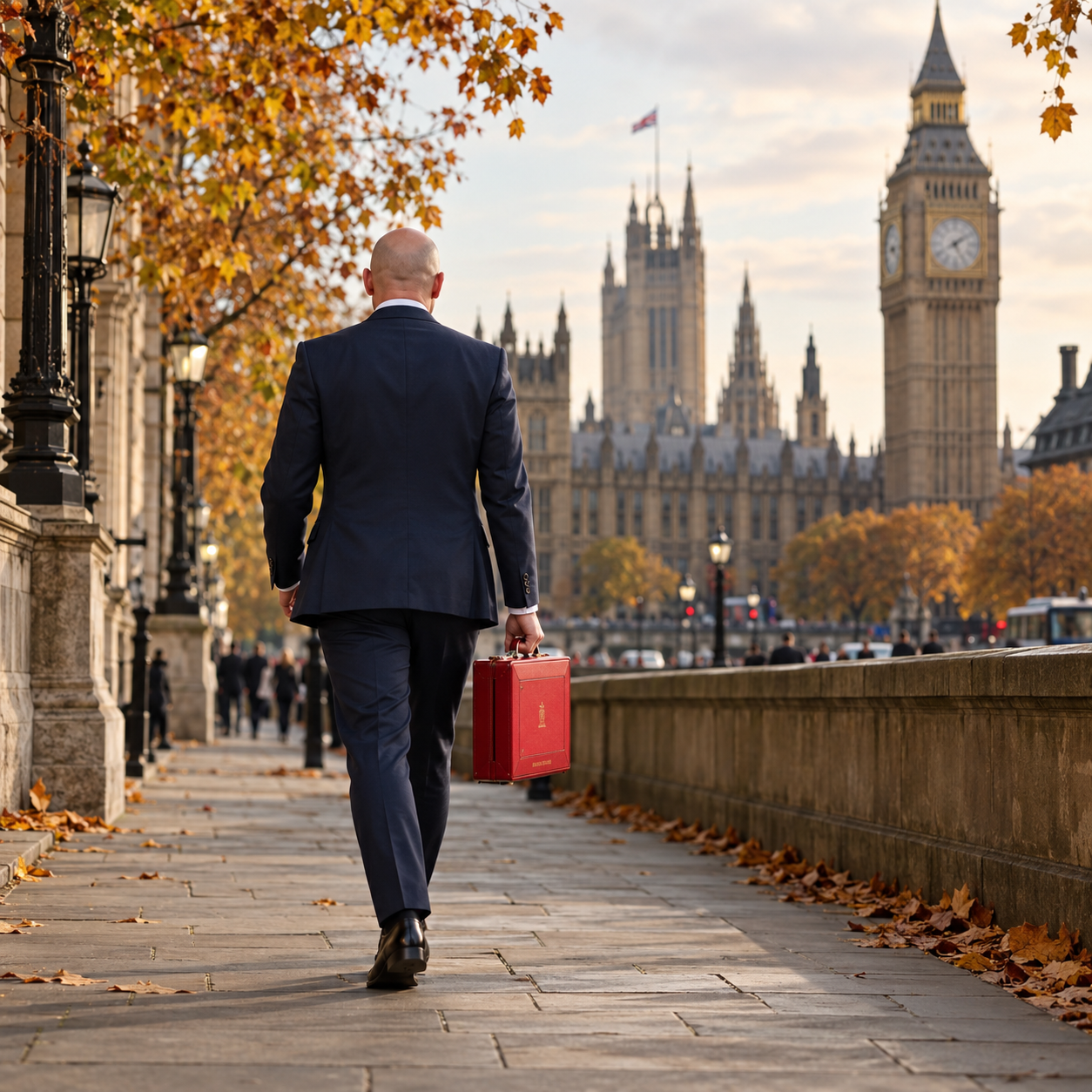
The Autumn Budget 2026 announced changes to ISAs, BADR and pensions. Find out what the measures could mean for your finances and how to plan ahead.
The Autumn Budget 2026 announced changes to pensions, ISAs, business taxation, business rates and minimum wage rates. Delivered by Chancellor John Healey on 28 October 2026, the Budget introduced measures that could affect pensioners, savers, investors, entrepreneurs and small business owners.
Some changes relate to existing tax rules and allowances, while others involve proposed schemes to support first-time buyers and business founders. Understanding when each measure takes effect is important when reviewing your finances and planning ahead.
Whether you are approaching retirement, saving for a first home, investing for the future or running a business, here are the key announcements and what they could mean for you.
Changes to the State Pension and pension tax
The full new State Pension increased by 3.9% from April 2026, rising from £241.30 a week (£12,547.60 a year) to £250.70 a week (£13,036.40 a year).
The new annual rate is higher than the frozen Personal Allowance of £12,570. In response, the Chancellor announced a Pension Tax Allowance intended to ensure that pensioners whose only income is the State Pension will not pay income tax on it during the current Parliament.
The government also confirmed plans to adjust the State Pension Triple Lock from April 2030. Under the proposed changes, the State Pension will continue to increase by at least inflation or 2.5%, with an additional link to earnings intended to help maintain its value relative to average earnings over time. The government estimates that this adjustment could reduce State Pension spending by £15 billion a year by the end of the 2030s.
What this means for you: If you rely on the State Pension in retirement, the new tax allowance could help protect your income from income tax. However, changes to the Triple Lock could affect how your pension keeps pace with earnings in the longer term.
Review your expected retirement income and consider how your State Pension, workplace pension and personal pension work together. If you receive income from other sources, check how the new allowance and existing tax rules could affect your overall tax position.
Cash ISA allowance remains at £20,000
The annual Cash ISA allowance will remain at £20,000. The Chancellor confirmed that the previously planned reduction to £12,000 for people under 65 will be cancelled.
The Budget also announced plans for a First Time Buyer ISA to replace the Lifetime ISA. The proposed account will focus on helping people save towards their first home, while existing Lifetime ISA holders will be able to continue using their accounts under the current rules.
In addition, the government plans to consult on a new Starter ISA designed to encourage first-time investors. Further details of the proposed account have not yet been confirmed.
What this means for you: Retaining the £20,000 Cash ISA allowance gives you continued flexibility to save tax-efficiently. ISAs can be useful for keeping eligible savings interest and investment returns outside UK income tax and capital gains tax, subject to the relevant rules.
Review how you use your annual ISA allowance…