What Changes Were Announced in the Autumn Budget 2025?
By Georgia Holmes
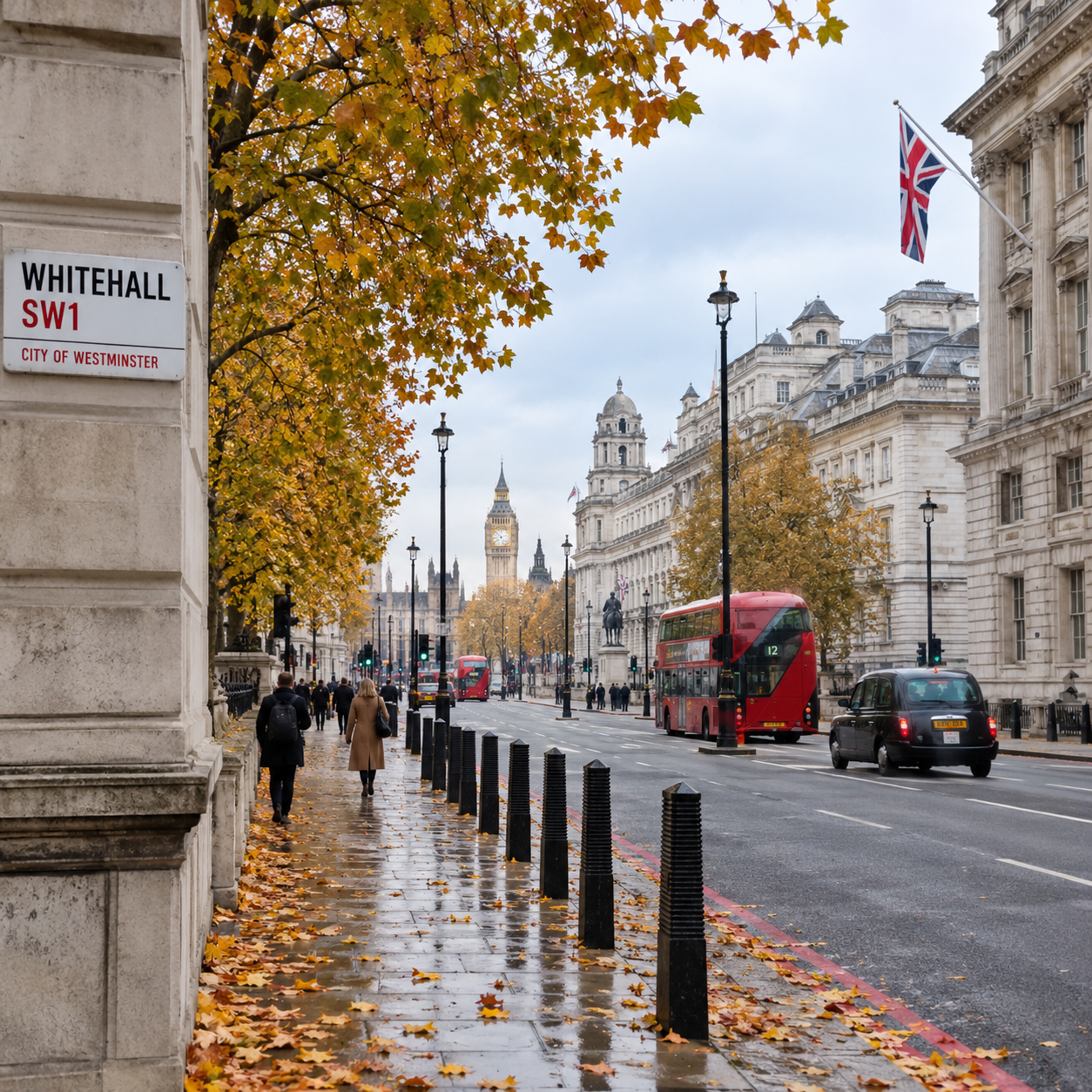
The Autumn Budget 2025 announced changes to tax thresholds, ISAs, pensions, inheritance tax and property. Find out what the measures could mean for your finances and how to plan ahead.
The UK Autumn Budget 2025 introduced a range of changes affecting income tax, savings, pensions, property, investments and household finances. Delivered by Chancellor Rachel Reeves on 26 November 2025, the Budget set out measures intended to raise government revenue, support public services and address the cost of living.
Some changes began taking effect in 2026, while others are scheduled for later years. For individuals and families, understanding when these measures apply can be just as important as understanding what has changed.
Whether you are saving for retirement, investing, earning rental income or planning to pass wealth on to your family, here are the key announcements and what they could mean for your financial planning.
Income tax thresholds remain frozen for longer
One of the most significant announcements was the extension of the freeze on personal income tax thresholds for three years, from 2028/29 to 2030/31.
The Personal Allowance, which is the amount most people can earn before paying income tax, remains at £12,570 under the announced plans. The higher-rate threshold for taxpayers in England, Wales and Northern Ireland remains £50,270.
Although these thresholds are not increasing in line with inflation or wage growth, people may pay more tax as their earnings rise. This effect is often called fiscal drag: someone can end up paying tax at a higher rate, or paying more tax overall, even when their purchasing power has not increased significantly.
For example, if your salary increases but the tax thresholds remain unchanged, a greater proportion of your earnings could become taxable at higher rates.
What this means for you: Review how changes in salary, bonuses and pension contributions may affect your take-home pay. If you expect your income to rise, consider how this could affect your tax position and wider financial goals. Scottish income tax bands differ and are set by the Scottish Parliament.
Tax on savings interest and dividends is changing
The Budget announced increases to the tax rates on savings income and dividend income, with changes taking effect in different tax years.
Savings interest
From 6 April 2027, the basic, higher and additional rates of income tax on savings income are scheduled to increase by two percentage points, to 22%, 42% and 47% respectively.
These rates apply to taxable savings interest, subject to the relevant allowances and rules. The Personal Savings Allowance allows eligible basic-rate taxpayers to receive up to £1,000 of savings interest tax-free each tax year, while eligible higher-rate taxpayers can receive up to £500. Additional-rate taxpayers do not receive this allowance.
Dividend income
From 6 April 2026, the ordinary and upper rates of dividend tax are scheduled to rise by two percentage points, to 10.75% and 35.75%. The additional dividend rate remains 39.35%.
These changes may be particularly relevant if you hold shares outside an ISA or receive dividends from a company you own.
What this means for you:Review where you hold your savings and investments. ISAs can shelter eligible interest, dividends and investment gains from UK tax within the…